
CERT
Centre for studies on Emerging Reactor Technologies.
The Objective and Thrust of the Centre
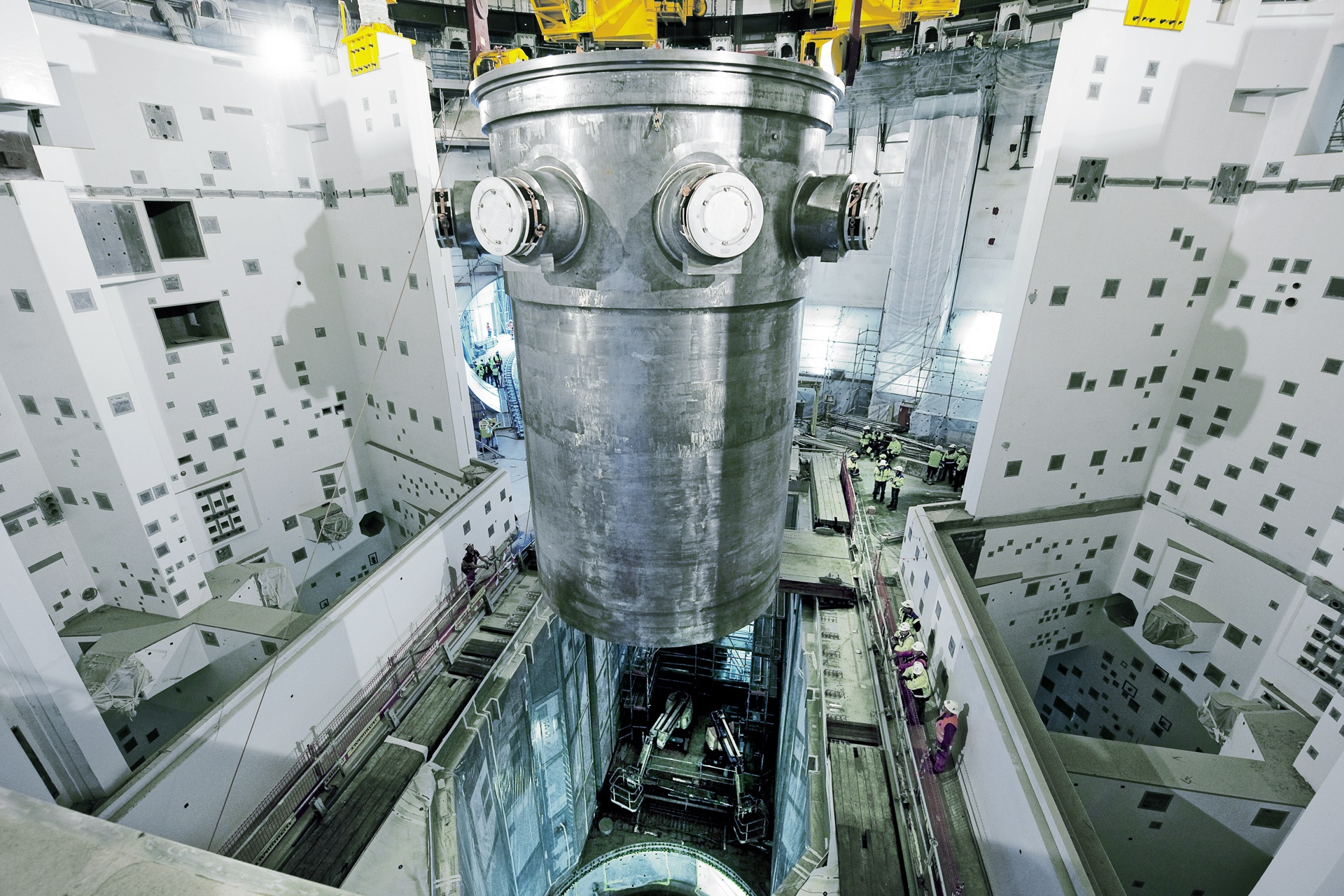
Considering the world's growing energy demand, nuclear energy is an option to meet this demand in a sustainable and reliable manner. The share of nuclear in the global energy mix is continuously rising. This increase in share of nuclear is due to the factors such as population growth, energy supply security, increased electricity demand, climate mitigation and price volatility of fuels used for other sources of energy. In order to meet this growing demand, large scale deployment of advanced nuclear reactors is envisaged. However, certain issues such as safety, economics, waste management, physical protection, and proliferation resistance need to be addressed for nuclear reactors to achieve successful large scale deployment. These potential issues can be addressed by using advanced nuclear reactor technologies (Generation III/III+/IV). Compared to existing reactors (Generation II), the key features of advanced reactors include improved safety, improved economic competitiveness, less waste, and more proliferation resistance compared to existing designs. It is expected that in the next two or three decades, majority of newly constructed nuclear power plants would belong to Generation III/III+ category. There are many advanced reactor designs including small modular reactors (SMRs) some of which are being considered for construction in various countries while others are still under R&D phase. Keeping in view the global developments in advanced reactors designs and technologies including SMRs, a 'Centre for studies on Emerging Reactor Technologies (CERT)' has been established under the Department of Nuclear Engineering, PIEAS where faculty members and researchers may study emerging nuclear reactor designs and technologies available for immediate, near-term and long-term deployment. Prime objectives of the Centre are:
- To follow developments in terms of design and construction technologies of large advanced reactors available for immediate and near term deployment (e.g. Gen III/III+), and study their distinctive and advanced features;
- To follow developments of SMRs technologies;
- To remain conversant with advanced features being employed in advanced SMRs;
- To build knowledge, technical capabilities and facilities for advanced systems design and development;
- To develop collaboration with various experts and groups working in the area of advanced nuclear reactor technologies including SMRs at universities and research institutes abroad.
Team Members
Team members who are working in this group.
Aman ur Rahman
Dean, Faculty of Applied Sciences
PhD in Nuclear Science and Technology from Tsinghua University, PR China. Have interest in the field of Modeling and Simulation of Plasma Sources.

Masroor Ahmad
Head of the Department
PhD in Nuclear Engineering from Imperial College London, UK. Have interest in the field of Computational Codes in Nuclear Design and Safety.
Kamran Rasheed Qureshi
Activities Coordinator CERT
PhD in Fluid Mechanics from BUAA, China. Have interest in the field of Computational fluid dynamics (CFD), advanced nuclear reactors and systems, compressible flows, Thermal-hydraulics, turbulent flows.

Kameel Arshad
----
PhD Condensed Matter Physics / Plasma Material Interaction.
Rustam Khan
----
PhD in Physics from Atominstitute-Vienna University of Technology, Austria. Have interest in the field of Reactor Modeling using Monte Carlo Techniques, Radiation Shielding, Radioactive Waste Management, Nuclear Knowledge Management, Operational Health Physics.
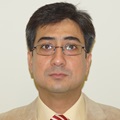
Anwar Hussain
----
PhD in Nuclear Energy Science and Engineering from Harbin Engineering University, China.
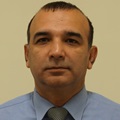
Athar Rasool
----
PhD in Nuclear Energy Science and Engineering from Harbin Engineering University, China.

Waseem Siddique
----
PhD in Energy Technology from Royal Institute of Technology [KTH], Sweden. Have interest in the field of Heat Transfer, Thermodynamics, Reactor Thermal Hydraulics, Sustainable Energy.
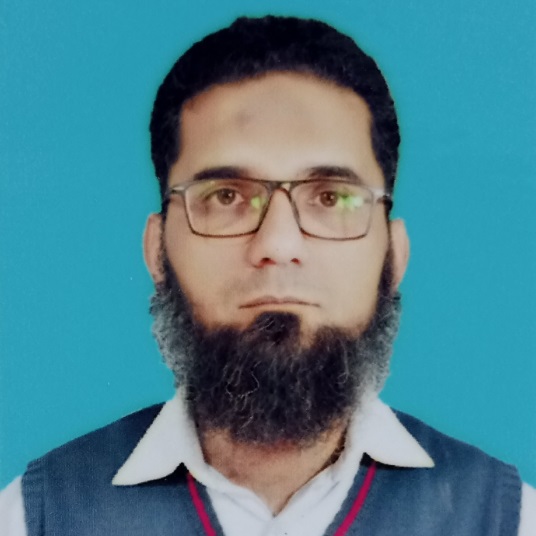
Amjad Farooq
----
PhD in Nuclear & Environmental Engineering from PIEAS, Islamabad. Have interest in the field of Filtration of radioactive/toxic air/water, Impregnation of activated carbons, Testing of raw and impregnated activated carbons, Development of standard testing setups for activated carbons.

Amjad Nawaz
----
PhD in Nuclear Science and Technology from Harbin Engineering University, China.
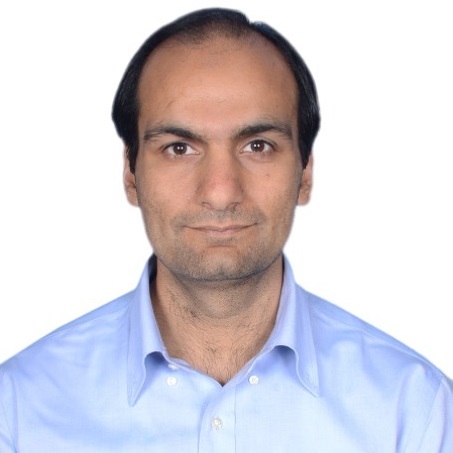
Khurrum Saleem Chaudri
----
PhD in Nuclear Science and Technology from Xi’an Jiaotong University, China. Have interest in the field of Reactor Physics, Reactor Safety, Coupled Design and Safety Analysis.

Hanan Ahmed Saeed
----
PhD in Nuclear Science and Technology from Harbin Engineering University, China.
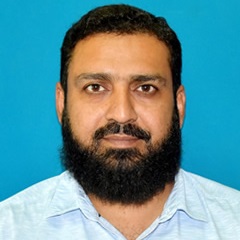
Khalid Waheed
----
PhD in Nuclear Engineering from KAIST, Korea. Have interest in the field of Nuclear Power Plant Safety, Environmental Engineering.
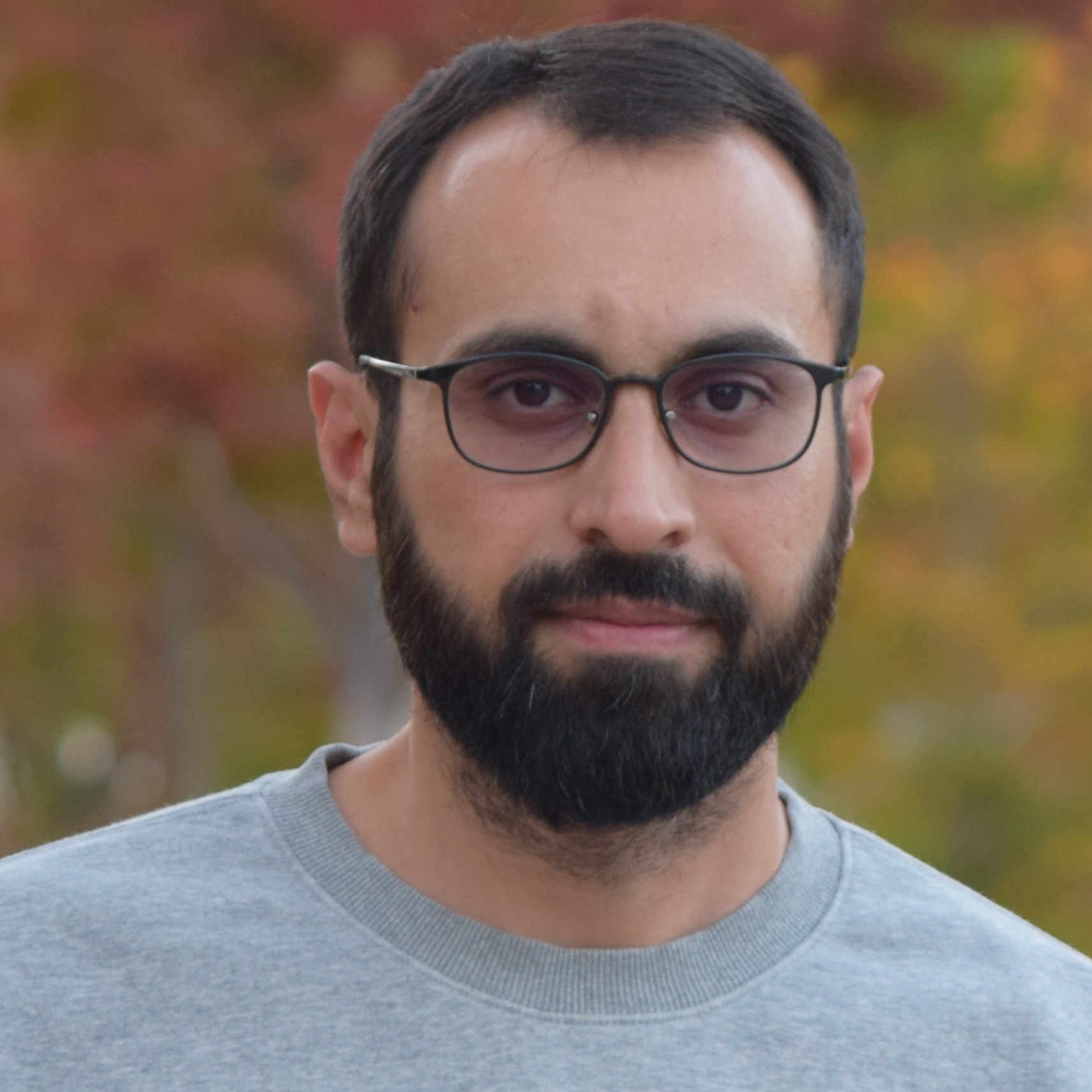
Muhammad Rizwan Ali
----
PhD in Nuclear Engineering from UNIST, Korea. Research Interests are Reactor Physics code development and their acceleration. http://faculty.pieas.edu.pk/rizwanali/
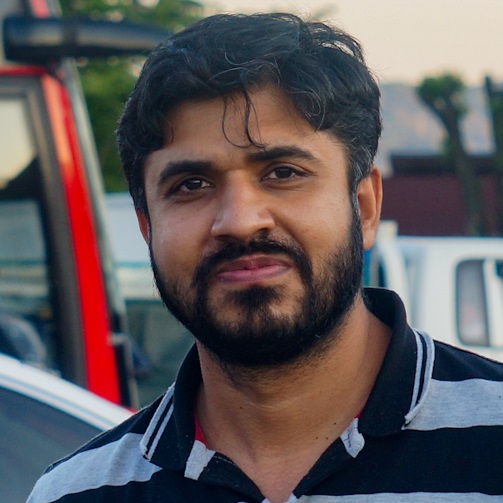
Awais Zahur
----
PhD in Nuclear Engineering from UNIST, Korea. Have interest in the field of Nuclear Reactor Design, Multiphysics Modeling and Simulation, Artificial Intelligence in Nuclear Engineering. http://faculty.pieas.edu.pk/awais/